The role of the journalist in covering the war
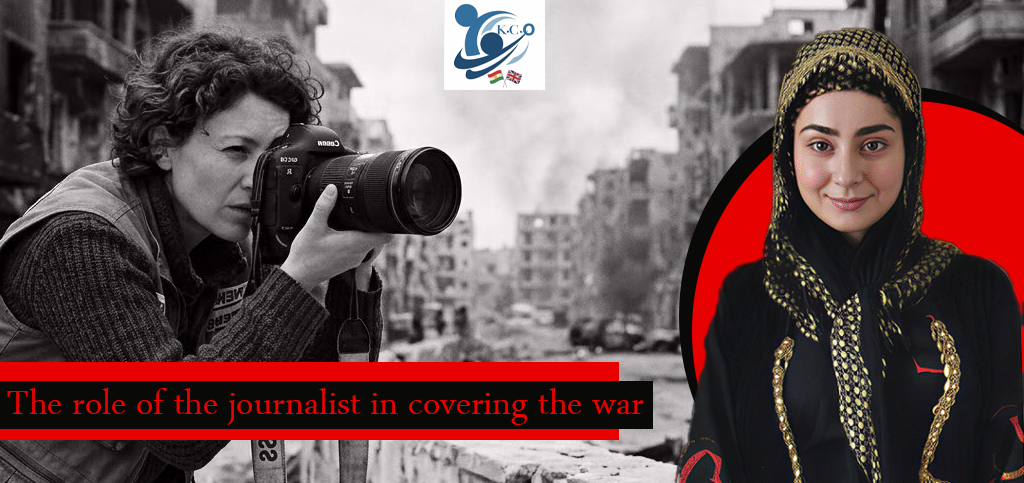
Kashma Farooq, journalist and member of the media center of the Kurdish Intellectuals Organization in the UK.
A journalist’s role during wartime is one of the most challenging and sensitive professions. Not only is their life at risk, but they are also caught between the duty of revealing the truth and the complexities of national or humanitarian security.
Here is the breakdown of the duties and methods of war reporting:
1. Primary Duties of a Journalist in War
Reporting Facts with Objectivity: The greatest duty is to convey events as they are, without becoming a tool for the military propaganda of a specific side.

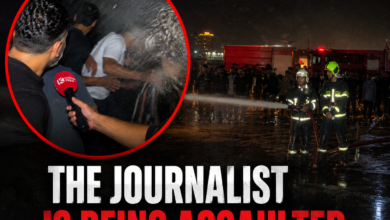
Documenting Violations: The journalist acts as the world’s eyes, witnessing war crimes, human rights violations, and the suffering of civilians.
Distinguishing Fact from Propaganda: During wartime, “misinformation” is rampant; it is the journalist’s job to filter and verify information.
Humanizing Statistics: Instead of merely reporting death tolls, journalists should tell the human stories of the victims so the world can grasp the scale of the tragedy.
2. Reporting Methods (Techniques and Rules)
For coverage to be professional and effective, the following points must be observed:
Pre-Deployment Preparation
Thorough Knowledge: Before entering a conflict zone, a journalist must be familiar with the geography, the warring parties, and the history of the conflict.
Safety Gear: Wearing a bulletproof vest and helmet clearly marked with PRESS or TV to be identified as a non-combatant.
During Coverage
Diverse Sources: One should not rely solely on military sources; it is essential to speak with civilians, doctors, and international organizations.
Protecting Military Secrecy: A journalist must not reveal troop locations or military plans in a way that leads to loss of life (this is the fine line between professionalism and espionage).
Ethical Consideration: Avoiding the publication of graphic images of bodies in a way that violates human dignity or causes unnecessary psychological trauma to the audience.
3. Ethical Complexities of War ReportingStakeholderJournalist’s ResponsibilityVictimsProtecting the identity and dignity of victims, especially children and prisoners of war.TruthfulnessAvoiding sensationalism or exaggerating news just to gain likes and views.SafetyNo story is worth a human life; a journalist should not take unnecessary risks that lead to certain danger.