زیاد بوونی تیرۆری کەسایەتی رۆژنامەنووس
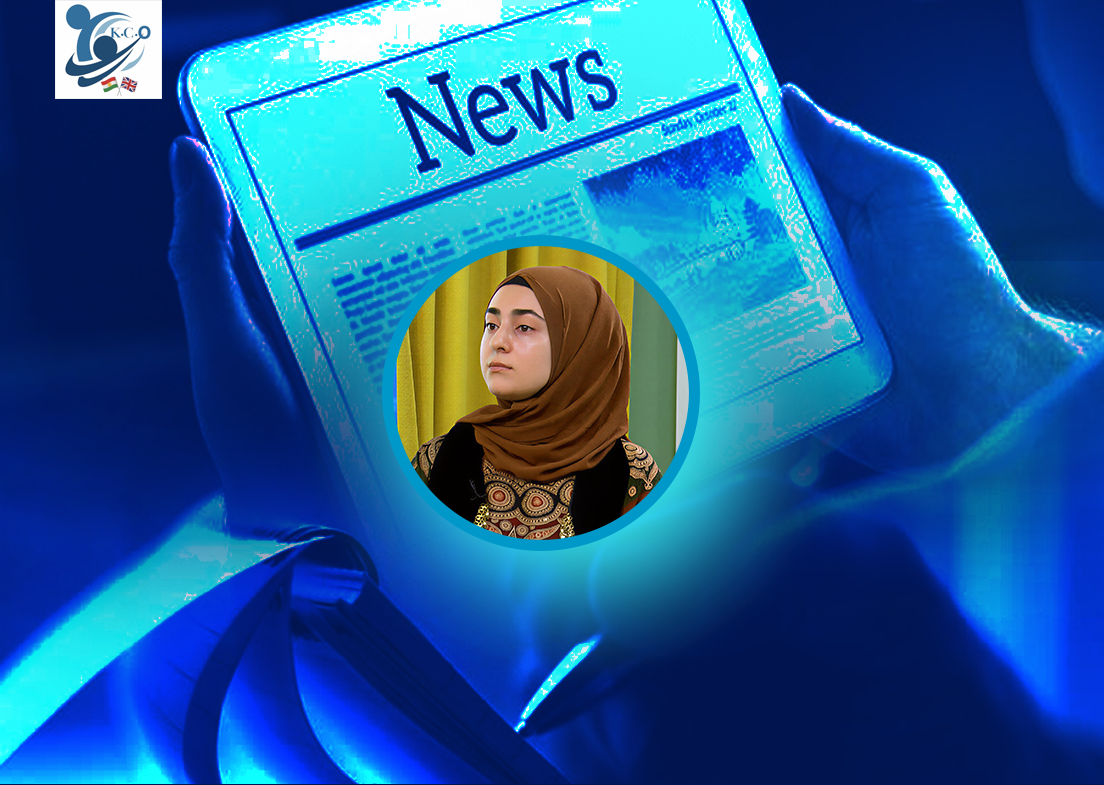
نووسینی: رۆژنامەنووس، کاشما فاروق، ئەندامی ناوەندی راگەیاندنی ڕێکخراوی رۆشنبیرانی کورد لە بەریتانیا
لەگەڵ بەرەوپێش چوونی جیهاندا، بواری راگەیاندیش بەرەوپێش چونێکی زۆری بەخۆیەوە بینیووە و ئەوەی لەئێستادا زیاتر گرنگی پێدەدرێت میدیای ئەلیکترۆنیە بۆ گەیاندنی زانیاری و هەواڵەکان.
لەباشووری کوردستان، میدیا ئەلیکترۆنی لەلایەن رۆژنامەنووسانەوە وەک هۆکاری یەکەمی گەیانی پەیام و هەواڵەکان بەکاردەهێنن و ژمارەی میدیا ئەلیکترۆنیەکان نزیک دەبێتەوە لە ٢٠٠ میدیا کە بەشێوەیەکی فەرمی کار دەکەن.

وەزارەتی فەرمانگە و میدیا زانیاری کە دەسەڵاتی ئەم وەزارەتە لەلایەن حیزبی پارتی دیموکراتی کوردستان بەڕێووەدەچێت و کۆنتڕۆڵی میدیا ئەلیکترۆنیەکان دەکەن و بەشێکیش لەو میدیایانەی کە لە بەرژەوەندی حکومەتی باشووری کوردستان کار ناکەن، لەلایەن پارتی دیموکراتی کوردستان و بەهاوکاری وەزارەتی فەرمانگە و میدیا، لەناو دەبرێن.
رۆژنامەنووسان لەڕێی سۆشیاڵ میدیا خۆیان و ئەو دەزگا میدیا ئەلیکترۆنیەی کە کاری لێ دەکەن و هەواڵ و زانیاری بڵاودەکەنەوە و لە کارەکانیاندا گەندەڵی حکومەت و دەزگاکانی حکومەت ئاشکرا دەکەن، ئەوا ئەو رۆژنامەنووس و ئەو دەزگا میدیایانە یان سۆشیاڵ میدیا رۆژنامەنووسەکە دوای ماوەیەک بەهێرشی ئەلیکترۆنی لەناو دەبرێن، واتا بەم جۆرە هەم رۆژنامەنووسەکە لەناو کۆمەڵگا بوونی نامێنێت و چیتر ناتوانێت پەیامەکانی بگەیەنێت، هەم ئەرشیف و هەوڵ و ماندووبونی دەزگا میدیایەکان لەناو دەچن و لە کۆمەڵگا دووردەخرێنەوە و ماوەیەکی زۆری دەوێت تاوەکو دووبارە لەڕێی دووبارە دروست کردنەوەی میدیایەکی دیکە گەورە ببنەوە و بچنەوە ناو کۆمەڵگا.
لەساڵەکانی رابردوو کاتێک رۆژنامەنووسێک گەندەڵیەکی بڵاودەکردەوە یان رەخنەی دەگرت، ئەوا تیرۆر دەکرا و دەکوژا، بەڵام ئێستا لەبری کوشتنی پەنا بۆ لەناو بردنی کارەکانی و سۆشیاڵ میدیا و ئەو دەزگایەشی دەبردێت کە کاری لێ دەکات و بەم جۆرە کەسایەتی رۆژنامەنووسەکە تیرۆر دەکرێت.
The Proliferation of the “Assassination” of Journalistic Identity
Written by: Journalist Kashma Farouq
With the world’s rapid advancement, the field of media has also undergone significant development. Today, electronic media has become the most important means for delivering information and news.
In the Kurdistan Region of Iraq, electronic media is used by journalists as the primary tool for conveying messages and news. The number of electronic media outlets is estimated to be close to 200, operating in an official capacity.
The Ministry of Municipalities and Media Affairs, whose authority is administered by the Kurdistan Democratic Party (KDP), oversees and controls electronic media outlets. Some media platforms that do not operate in line with the interests of the Kurdistan Regional Government are shut down by the KDP, in cooperation with the Ministry of Municipalities and Media Affairs.
Journalists use social media to publish news and information, whether through their personal accounts or through the electronic media institutions they work for. When they expose corruption within the government or its institutions, those journalists, their media outlets, or their social media accounts are often targeted after some time by cyberattacks and taken down. In this way, the journalist is effectively erased from society and can no longer convey their message. At the same time, the archives, efforts, and hard work of media institutions are destroyed and removed from the public sphere. It then takes a long time for them to rebuild through the creation of a new media platform and to regain their presence in society.
In previous years, when a journalist exposed corruption or voiced criticism, they were physically targeted, assassinated, or killed. Today, instead of killing the journalist, the focus has shifted to eliminating their work, their social media presence, and the media institution they are associated with. In this way, the journalist’s identity itself is “assassinated.”